September 17, 2026
Your car battery is one of those components you rarely think about until it fails—usually at the worst possible moment. Whether it's a cold morning when you're already running late or a parking lot after a long shift, a dead battery has a way of turning a normal day upside down. The good news is that battery failure is rarely a surprise to the vehicle itself, even if it feels sudden to you. Warning signs build up over time, and a little routine attention can mean the difference between a five-minute check and an unexpected tow. In this post, we'll walk through what causes batteries to wear out, how to spot trouble early, and why partnering with a trusted local auto repair shop is one of the smartest things you can do for your car's long-term reliability.
Understanding How Car Batteries Age and Wear
Every car battery has a natural lifespan, and understanding that timeline helps you plan ahead instead of reacting to a crisis. According to AAA, the typical car battery holds up for three to five years when it receives proper care, though neglecting maintenance can lead to abrupt breakdowns and more expensive repairs later on. That range isn't arbitrary—it reflects how internal components degrade with repeated charge and discharge cycles, exposure to heat and cold, and the general wear that comes from daily driving. Batteries don't usually die in a straight, predictable line either. They often perform normally right up until they don't, which is exactly why periodic inspections matter so much. A technician at a local auto repair shop can measure your battery's actual condition rather than relying on guesswork, giving you a much clearer picture of how much life you have left.
Recognizing the Warning Signs of a Failing Battery
Long before a battery gives out completely, it usually sends a few signals. Slow engine cranking, dimming headlights, a clicking sound when you turn the key, or a dashboard warning light are all common indicators that something is amiss. Corrosion buildup around the battery terminals—often a chalky white or bluish substance—can also interfere with the electrical connection and mimic the symptoms of a dying battery. Some drivers notice their electronics behaving oddly, such as power windows moving slower than usual or the radio resetting unexpectedly. None of these signs guarantee an immediate failure, but they're worth taking seriously. If you notice any of these issues, scheduling a visit to a local auto repair shop for a proper diagnostic check is far better than waiting to see what happens next.
Testing Your Battery Regularly for Peace of Mind
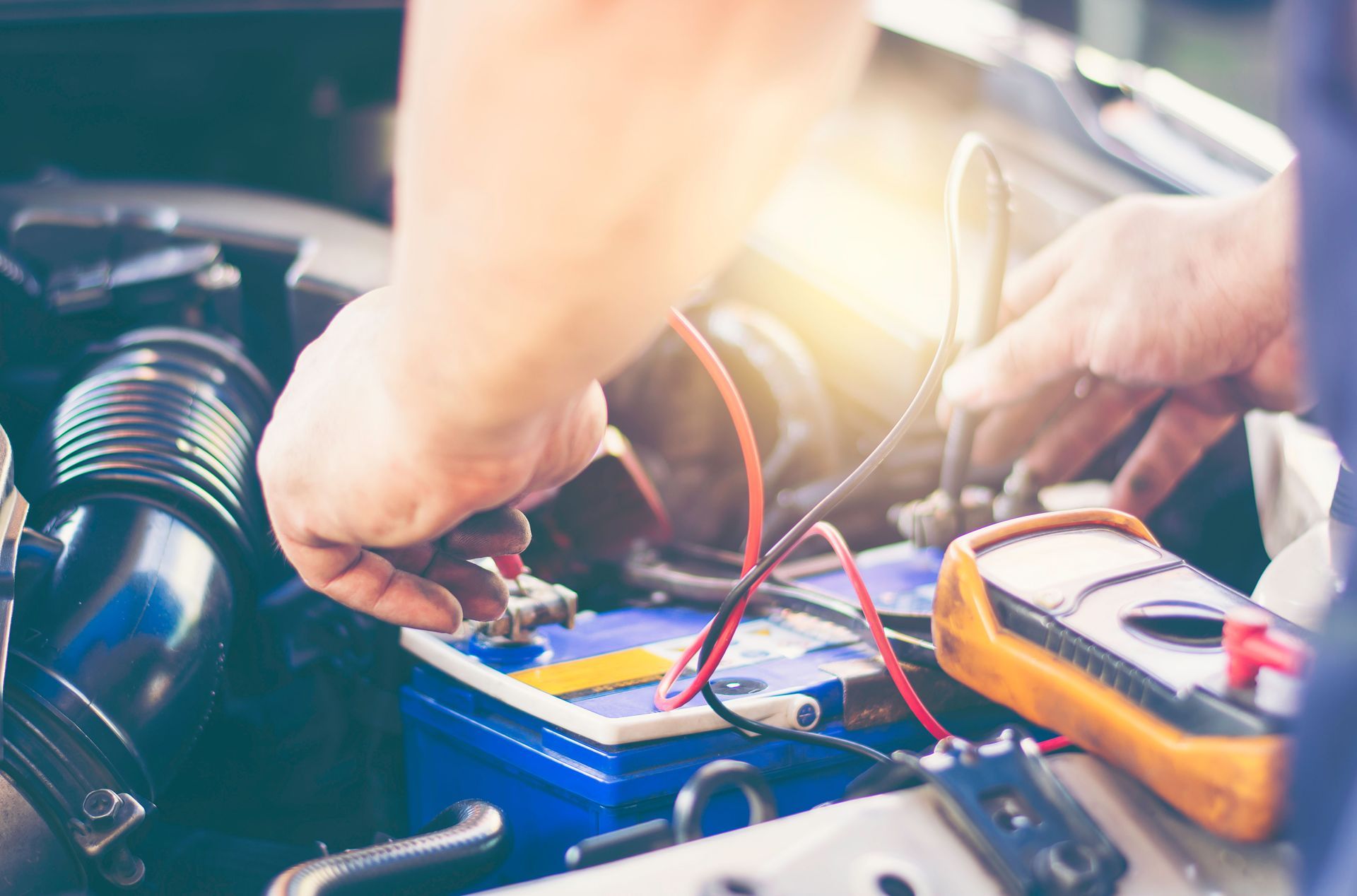
Routine testing is one of the simplest ways to stay ahead of battery problems. A load test measures how well your battery holds and delivers power under actual operating conditions, which tells you far more than a simple visual inspection ever could. Many people assume that if their car starts fine, the battery must be healthy, but batteries can be on the verge of failure while still technically functioning. This is especially true heading into extreme weather seasons, when temperature swings put additional strain on battery chemistry. Cold weather in particular makes it harder for a weakened battery to generate enough current to start the engine. Bringing your vehicle to a local auto repair shop for a seasonal battery test—ideally before summer heat and winter cold set in—can catch a weak battery before it strands you somewhere inconvenient.
Cleaning Terminals and Preventing Corrosion Buildup
Corrosion is one of the most overlooked contributors to battery trouble, and it's also one of the easiest issues to prevent. When corrosion accumulates on the terminals, it disrupts the connection between the battery and the rest of the electrical system, which can cause starting problems even when the battery itself is in decent shape. Regular cleaning, along with a light protective coating on the terminals, helps keep that connection solid. It's tempting to clean this yourself, but doing it incorrectly—or missing early signs of a cracked terminal or damaged cable—can create bigger problems down the road. A local auto repair shop has the tools and experience to clean and inspect these connections thoroughly, checking for related issues like frayed cables or a failing alternator that might be accelerating the corrosion in the first place.
Managing Extreme Temperatures and Their Effects
Temperature extremes are one of the biggest stressors a battery faces. Heat accelerates the chemical reactions inside the battery, which speeds up internal wear even when the vehicle isn't being driven hard. Cold weather, on the other hand, thickens engine oil and demands more electrical current to start the engine, all while reducing the battery's actual ability to deliver that power. This one-two punch is why so many batteries seem to fail right as the seasons change. Parking in shaded or covered areas when possible, and avoiding letting your vehicle sit unused for long stretches, can help reduce this strain. When temperature-related battery issues do arise, a local auto repair shop can evaluate whether your battery is simply struggling with the weather or whether it's nearing the end of its service life altogether.
Maintaining Your Charging System Alongside Your Battery
A battery doesn't operate in isolation—it works hand in hand with your vehicle's charging system, particularly the alternator. If the alternator isn't charging properly, even a brand-new battery will eventually run down and fail. This is why battery problems are sometimes misdiagnosed; the battery gets replaced, but the underlying charging issue goes unaddressed and causes the same symptoms to resurface. A thorough inspection should always include a check of the alternator's output, the condition of the drive belt, and the overall health of the electrical system. This kind of comprehensive look is something a local auto repair shop is well equipped to handle, since it requires both diagnostic equipment and the experience to interpret the results correctly.
Choosing the Right Replacement Battery for Your Vehicle
When it does come time to replace your battery, choosing the correct one matters more than many drivers realize. Batteries vary in size, power output, and terminal configuration, and installing the wrong type can lead to poor performance or even damage to your vehicle's electrical components. Modern vehicles, especially those with advanced electronics or start-stop technology, often require specific battery types designed to handle more frequent cycling. Rather than guessing at compatibility, it's worth relying on professionals who can match your make, model, and driving habits to an appropriate replacement. A local auto repair shop will typically stock quality options and can also verify that after installation, the vehicle's systems reset and calibrate correctly, which some newer cars require.
Trusting Professionals With Ongoing Battery Care
While there are a few things drivers can do at home, like keeping an eye out for corrosion or listening for slow cranking, battery health is ultimately best evaluated by trained professionals. Diagnostic tools used at a repair shop can detect subtle drops in performance long before they become noticeable behind the wheel. Professionals can also identify related issues—parasitic electrical drains, a failing alternator, or damaged wiring—that might be shortening your battery's lifespan without you realizing it. Attempting to self-diagnose these deeper issues without the right equipment often leads to guesswork, unnecessary part replacements, or missed problems that resurface later. Building a relationship with a local auto repair shop you trust means these checks become a routine part of your regular maintenance schedule rather than an afterthought, saving you both time and money over the life of your vehicle.
Car battery maintenance doesn't require constant attention, but it does require consistency. Understanding your battery's expected lifespan, watching for early warning signs, keeping terminals clean, and having your charging system checked periodically all add up to fewer surprises and a more reliable vehicle overall. Extreme temperatures and normal wear will always take a toll, but a proactive approach—paired with professional inspections at the right intervals—goes a long way toward avoiding the dreaded dead battery scenario. If it's been a while since your battery was tested, or if you've noticed any of the warning signs discussed above, don't wait for a cold morning to find out the hard way. Give us a call or stop by Pine Hill Service Station today, and let our team make sure your battery is ready for whatever the road ahead brings.